

The Altars That Burned the Innocent
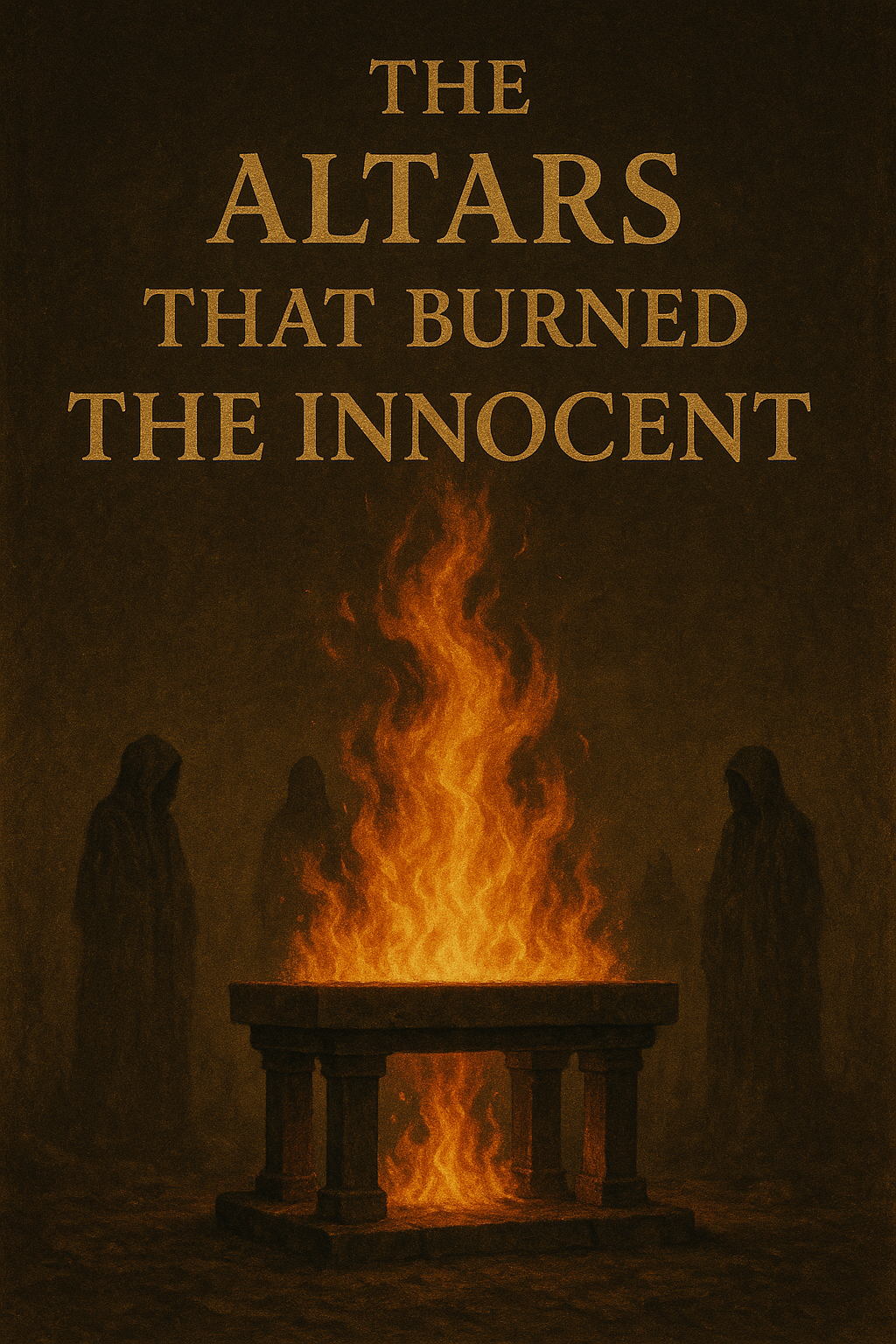
The Altars That Burned the Innocent
They built monuments and called them mercy. They built courts and called them justice. They built stages of authority and called them sacred.
But wherever power becomes untouchable, innocence becomes expendable.
Some altars used flame. Others used shame, exile, confiscation, forced silence, public humiliation, and carefully polished lies.
The cruelest altar is any system that feeds itself by consuming the weak.
History is crowded with respectable brutality: acts defended by uniforms, seals, robes, slogans, and holy language.
The victim was often called dangerous so the powerful could feel righteous.
The witness was called rebellious so truth could be delayed.
The questioner was called impure so obedience could remain profitable.
This pattern did not belong to one era alone.
Whenever fear joins greed, an altar is rebuilt.
Whenever law loses conscience, smoke rises again.
Whenever status matters more than truth, another innocent stands exposed.
Many were never cursed. They were merely inconvenient.
The brutal truth: some institutions need guilt the way engines need fuel.
If people believe they are broken by nature, they become easier to manage.
If people fear exclusion, they defend the hand that strikes them.
If people worship titles, they stop measuring character.
Liberation begins the moment you ask: who benefits from my fear, shame, or silence?
Liberation deepens when you stop confusing ceremony with goodness.
Liberation becomes permanent when you build inner authority stronger than outer pressure.
The altar was never holy because it was decorated.
The human being was holy because they could suffer.
You are not born stained.
You are not born owing tyrants your mind.
You are not required to kneel before inherited cruelty.
The bones of history speak one lesson again and again: question every throne that demands victims.
Where innocence is punished, rebellion of conscience becomes duty.
The false altars crack whenever one clear mind refuses to bow.
"No throne is sacred if it requires victims."